Check the pharmacy’s license and accreditation. Look for verification seals from organizations like the Verified Internet Pharmacy Practice Sites (VIPPS) program or the National Association of Boards of Pharmacy (NABP). These organizations rigorously vet online pharmacies to ensure they meet safety and quality standards. A legitimate pharmacy will readily display this information on their website.
Identifying Red Flags
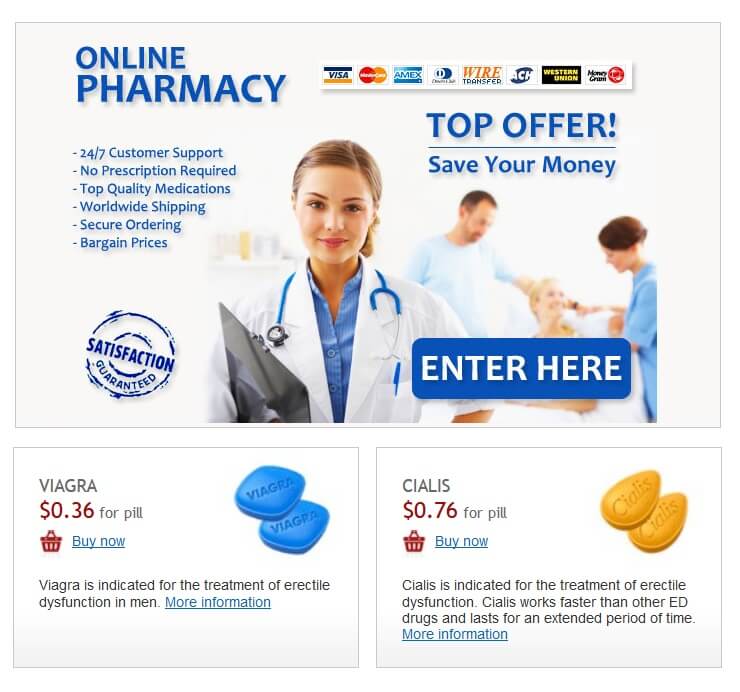
Beware of pharmacies that offer unbelievably low prices or request payment through unusual methods, like wire transfers or gift cards. Legitimate pharmacies accept major credit cards and often offer secure payment gateways. Avoid sites with poor grammar, broken links, or unclear contact information. Always check the “About Us” section – a credible pharmacy will provide detailed business information.
Securing Your Information
Verify the website uses HTTPS, indicated by a padlock icon in your browser’s address bar. This signifies the site uses encryption to protect your personal and financial data. Before submitting any information, carefully review the pharmacy’s privacy policy to understand how they handle your data. Remember, protecting your privacy is key when buying medication online.
Consulting Your Doctor
Always consult your physician before ordering medication online. They can advise on the appropriate dosage and potential drug interactions. Your doctor can also help determine if an online pharmacy is a safe and reliable option for your specific needs. Obtaining a prescription from a licensed medical professional is fundamental.
Customer Reviews and Testimonials
While not foolproof, examining customer reviews and testimonials can offer insights into a pharmacy’s reputation. Look for reviews on independent review sites and pay attention to consistent patterns of praise or criticism. Note that entirely positive reviews may be suspicious.